
NEWYou can now listen to Fox News articles!
There’s a known link between sleep and brain health – but recent research has specifically highlighted the impact of rest on neurodegenerative conditions like Alzheimer’s disease.
A study published in NPJ Dementia found that tau pathology – the buildup of toxic brain proteins that is the hallmark of Alzheimer’s – is also linked to hyperactive brain activity and poor sleep.
This could be a reason why people with Alzheimer’s often struggle with sleep before memory loss begins, according to researchers at the University of Kentucky's Sanders-Brown Center on Aging.
SLEEPING 11 MINUTES LONGER EACH NIGHT SHOWS SURPRISING HEALTH BENEFIT, STUDY FINDS
In a press release, the scientists revealed how tau "hijacks" the brain’s energy supply, which leads to a "state of overactive excitability that prevents restorative rest."
Using female mouse models, the study authors measured time spent in sleep stages.

Tau "hijacks" the brain’s energy supply, which keeps the brain in a "state of overactive excitability that prevents restorative rest," the researchers found. (iStock)
At six months, the mice with tau pathology spent more time awake and less time in NREM sleep (non-rapid eye movement), which is the calm and restorative first phase of a sleep cycle. By nine months, the results showed even less REM sleep, pointing toward a progressive decline.
Tau changes how the brain uses glucose to stimulate brain activity, the researchers concluded.
POPULAR DIET TIED TO LOWER DEMENTIA RISK FOR SOME GROUPS, STUDY REVEALS
"It’s like a petulant toddler who just won’t calm down and go to sleep," principal investigator Shannon Macauley, PhD, associate professor of physiology, commented in a statement.
"The brain is hijacking all your glucose to make glutamate (a chemical neurotransmitter) over and over again, keeping the system awake and preventing it from reaching the deep, restorative stages of sleep necessary for recovery and memory formation," she added.
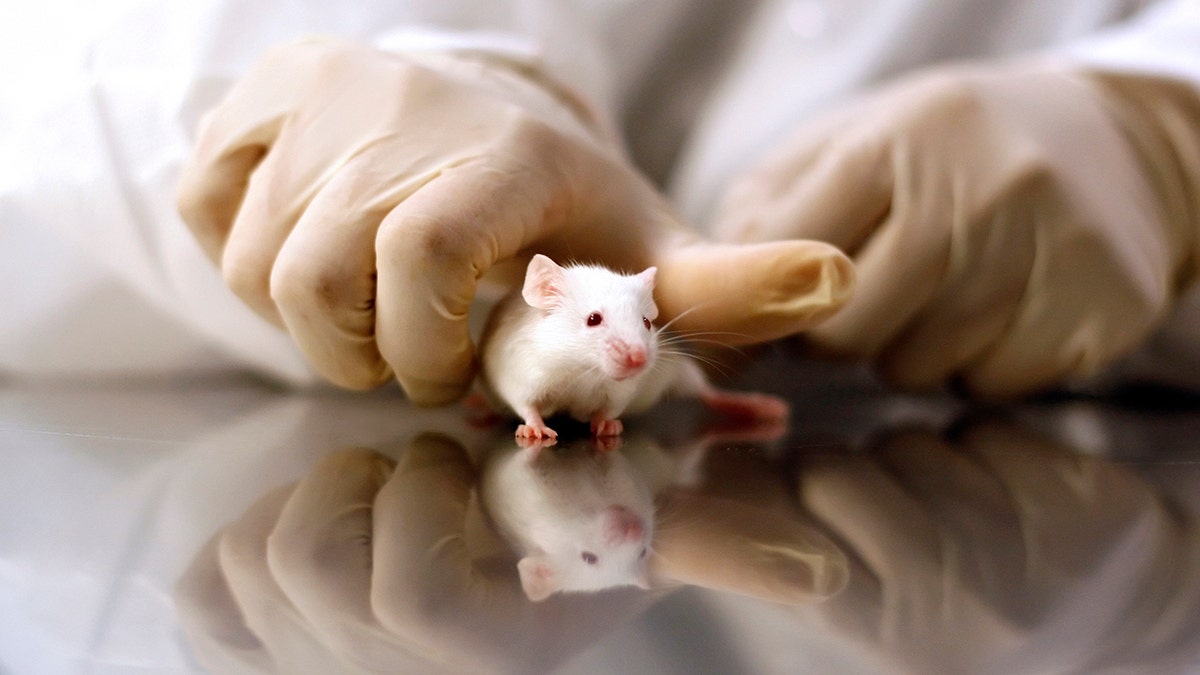
The mice with tau experienced shortened NREM and REM sleep at nine months. (iStock)
This leads to a vicious cycle, as the disease causes sleep disruption, and sleep disruption then worsens the disease, according to the researchers.
The study did have some limitations, the researchers acknowledged. It identifies associations between tau pathology, brain activity and poor sleep, but does not establish a clear causal relationship. It is also unclear whether these findings apply to human populations.
ONE TYPE OF OLIVE OIL HAS A SURPRISING EFFECT ON BRAINPOWER DURING AGING
Dr. Wendy Troxel, a Utah-based licensed clinical psychologist and senior behavioral scientist at RAND, commented on the Alzheimer's-sleep connection in an interview with Fox News Digital.
"We know that sleep is critical for our cognitive health and our ability to age well," she said. "And research shows that short sleep duration, fragmented sleep and irregular sleep schedules can increase the risk of dementia."

"Research shows that short sleep duration, fragmented sleep and irregular sleep schedules can increase the risk of dementia," a sleep expert said. (iStock)
Other lab studies have shown that deep sleep activates the glymphatic system, which is responsible for flushing out toxins that accumulate in the brain, according to Troxel.
This includes tau and amyloid beta, the neurotoxins associated with the development of Alzheimer’s disease.
CLICK HERE FOR MORE HEALTH STORIES
"If you sacrifice sleep, you're not just sacrificing this passive state – you're actually sacrificing this critical brain-flushing mechanism, because the glymphatic system predominantly works while asleep," the expert said.
CLICK HERE TO SIGN UP FOR OUR HEALTH NEWSLETTER
"So, it's really important to protect sleep for your cognitive health, for your cardiovascular health, for your mental health and overall well-being."
In her own clinical psychology practice, Troxel said she has patients who experience insufficient or low-quality sleep due to stress.
"If we're constantly thinking about, ‘Oh my gosh, if I don't get enough sleep, I'm going to develop Alzheimer's disease,’ that's not going to serve you well," she said. "We do have to recognize the risks, but also recognize that sleep is imperfect."
CLICK HERE TO DOWNLOAD THE FOX NEWS APP
The sleep expert encourages aiming for progress instead of perfection.
"If we invade our brains with these worries about the consequences of not sleeping well, that's going to increase pressure and anxiety, and contribute to more restless nights," Troxel cautioned.
TEST YOURSELF WITH OUR LATEST LIFESTYLE QUIZ
"Sometimes, we have to just throw our hands up, practice the good behaviors that are going to set the conditions for a good night of sleep, and not obsess about it."
Angelica Stabile is a lifestyle reporter for Fox News Digital.


